Pastured Poultry
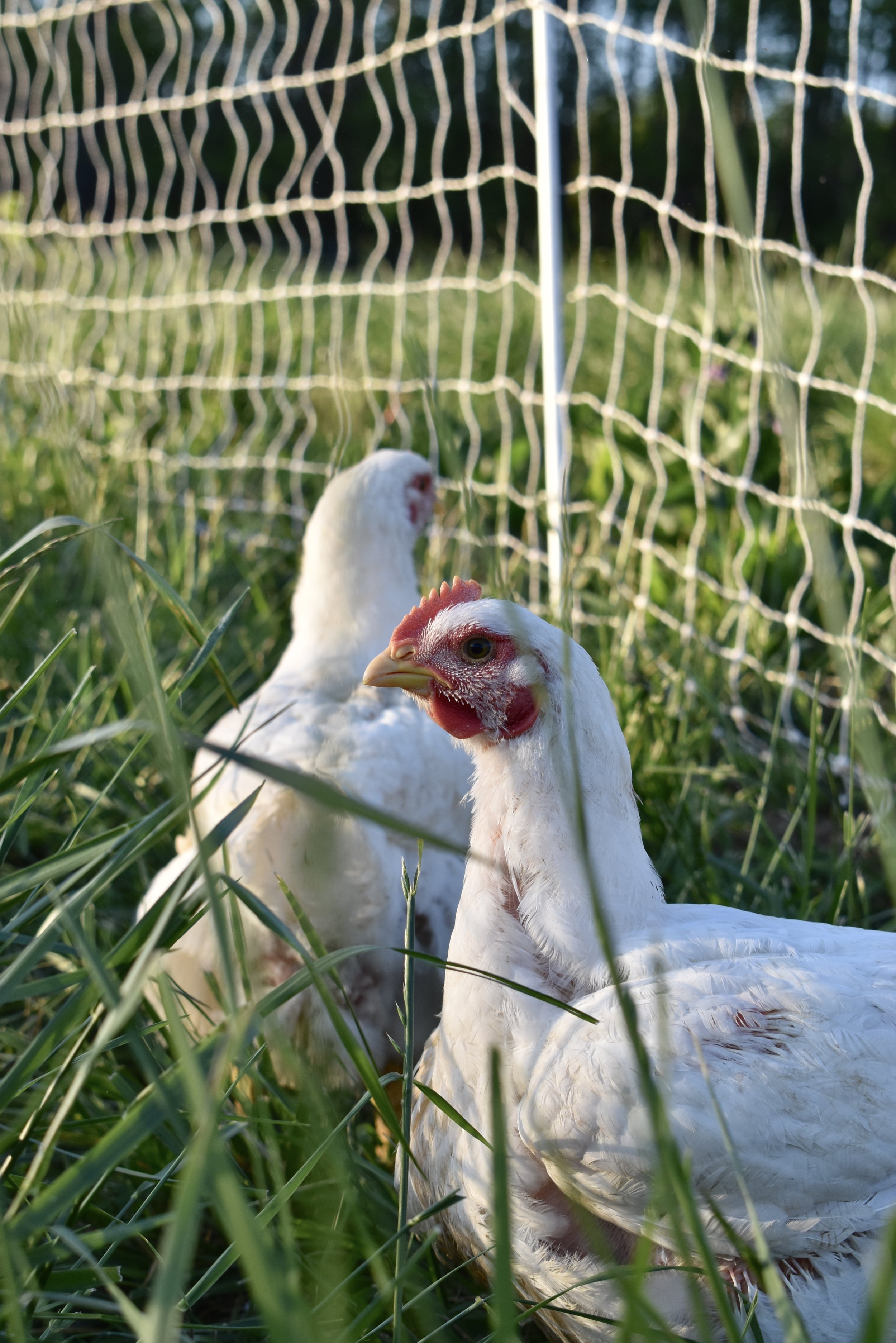
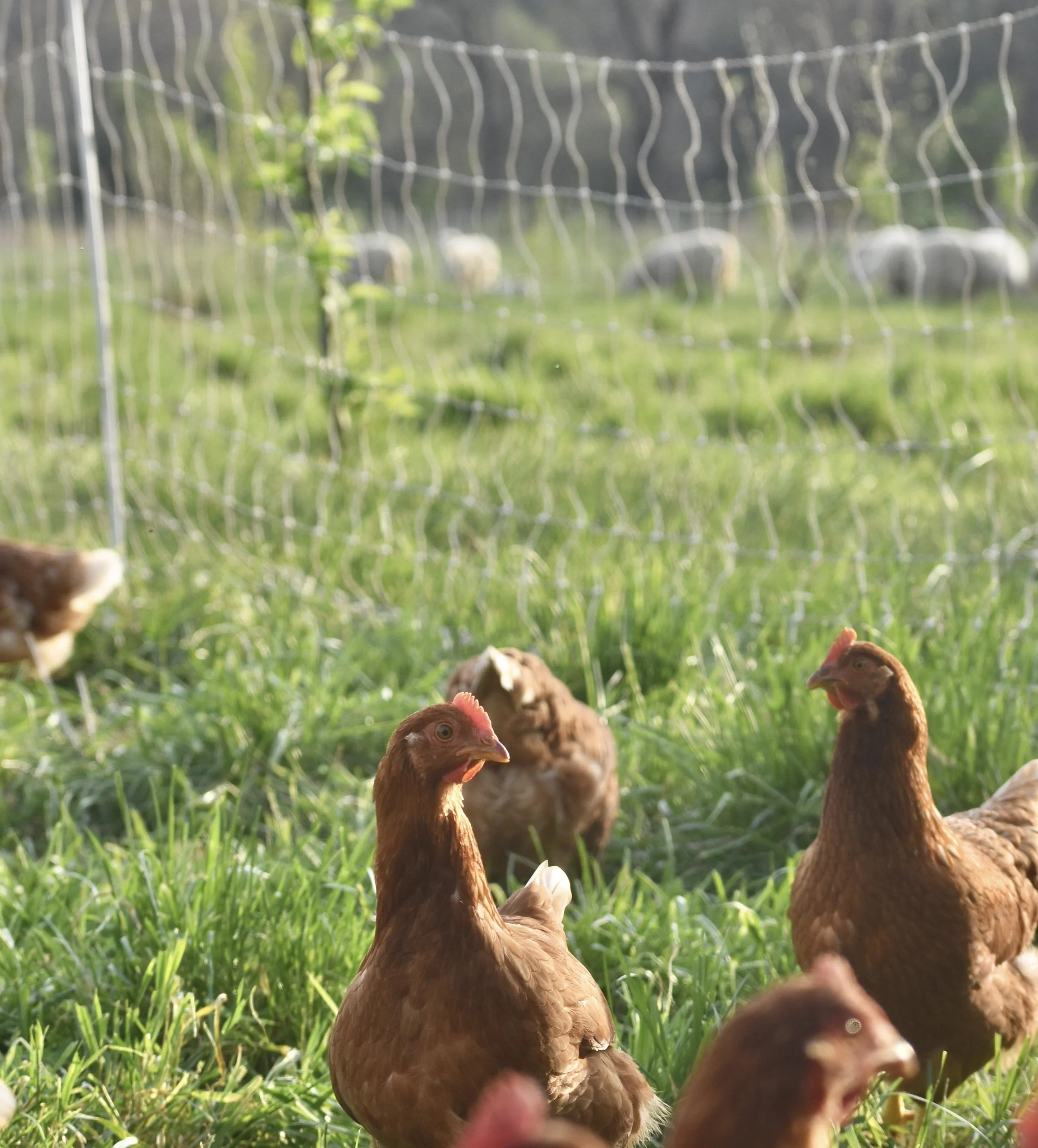
Pastured poultry integrates birds into a living landscape. Birds receive a complete ration while also having access to pasture, where they can forage, scratch, dust bathe, move, and interact with a more complex environment. At the same time, their manure, disturbance, and feeding behavior become part of the nutrient cycle of a farm.
The goal is to manage the relationship between birds, pasture, soil, and production so that each component supports the others.
Animal Health and Behavior
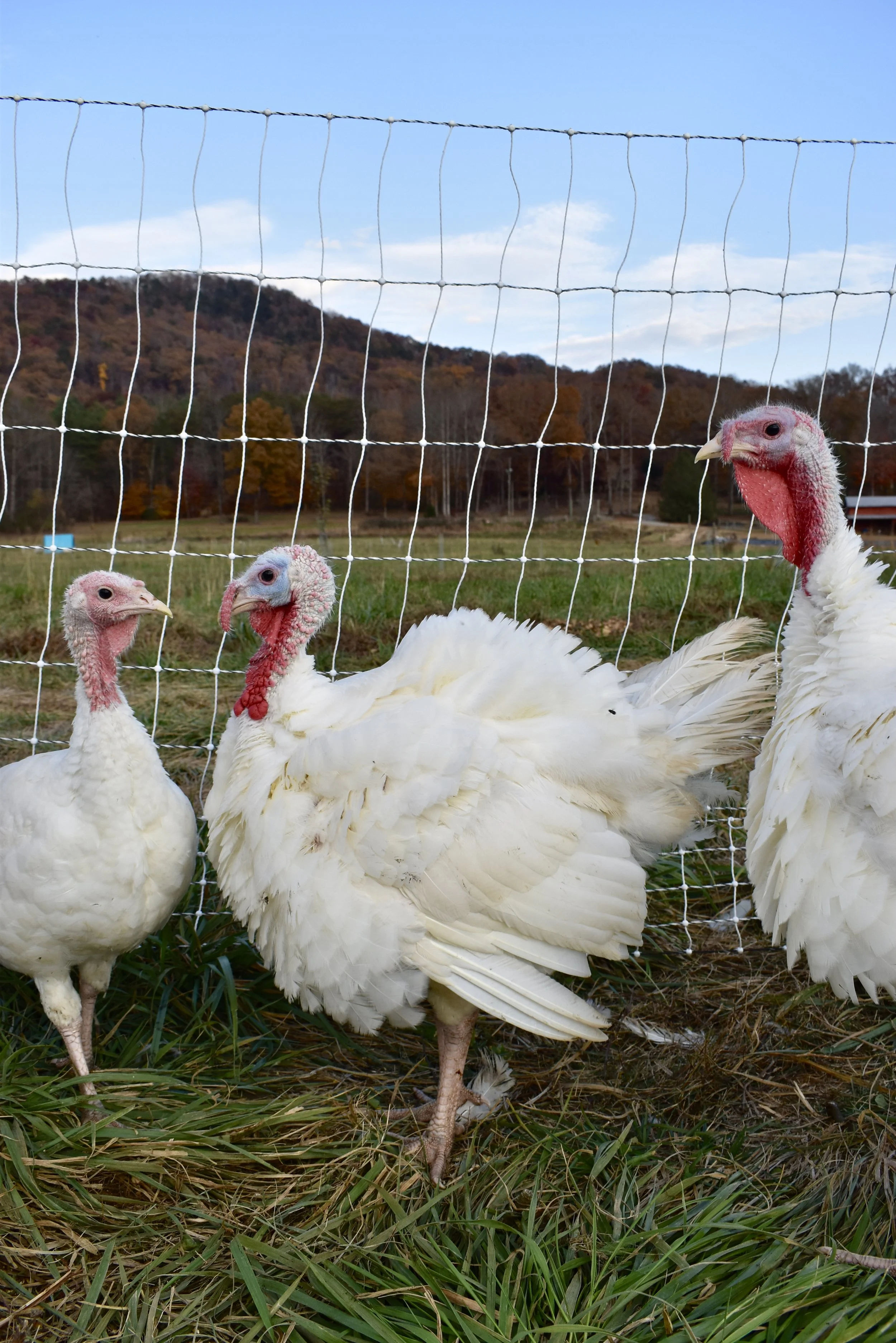
Chickens and turkeys are naturally active foragers. They scratch through the soil, search for insects and other invertebrates, consume vegetation and seeds, dust bathe, and spend time moving through their environment. Pasture provides opportunities for these behaviors that cannot be reproduced in a confined environment.
Outdoor access is associated with improved mobility, bone development, foot health, and some other welfare indicators in pastured poultry. Vegetation and tree cover are particularly important because they encourage birds to use the range rather than simply having access to an unused outdoor area.
However, outdoor access does not automatically produce healthy birds. Outdoor systems also expose poultry to parasites, predators, heat and weather stress, and pathogens carried by wildlife. Good pasture management, appropriate genetics, adequate nutrition, clean water, shelter, and daily movement are essential parts of a healthy system. Management is key!
Pasture as Part of the Diet
Pasture is not a full replacement for a properly formulated poultry ration. Poultry have high nutritional requirements, and forage alone generally cannot provide enough energy and protein to support efficient growth or egg production.
What pasture can provide is dietary diversity. Birds consume grasses, legumes, seeds, insects, and other organisms, while also ingesting small amounts of soil and grit. The nutritional contribution varies enormously with season, pasture composition, bird age, and how much time birds actually spend foraging.
That diversity can influence the composition of the final product. Access to pasture can increase certain omega-3 fatty acids, carotenoids, and antioxidant compounds in eggs and poultry meat, although the magnitude of those changes depends on the birds' actual diet and the composition of the pasture. Pasture is therefore best understood as a complement to a complete ration rather than a substitute for one.
Nutrient Cycling
Poultry consume nutrients from feed and pasture and convert them into eggs, meat, and manure. When birds are moved across pasture, a portion of those nutrients is returned directly to the land.
Poultry manure contains nitrogen, phosphorus, potassium, and other nutrients that support plant growth. Soil microorganisms then transform organic nutrients into forms plants can use, while growing vegetation captures and stores those nutrients in plant biomass and soil organic matter.
The value of the system comes from keeping those nutrients moving through the farm rather than treating manure as waste that has to be removed.
Poultry can concentrate nutrients very quickly in small areas, particularly around shelters, feeders, and waterers. Moving birds frequently distributes manure across a larger area and gives vegetation time to recover. The objective is to provide enough fertility to stimulate plant growth without allowing nutrient accumulation or creating bare, degraded ground.
Poultry and Soil
The birds themselves become a form of biological disturbance. Their scratching breaks up surface residues, exposes soil and plant material, and incorporates manure into the surface layer. At appropriate stocking densities and move frequencies, this can stimulate decomposition and nutrient cycling. The pasture then captures those nutrients through plant growth, while roots and soil microorganisms build the structure of the soil.
In integrated systems, poultry can therefore function as both an animal enterprise and a fertility-management tool. In agroforestry systems, poultry litter increases soil nutrient availability and support tree and forage growth.
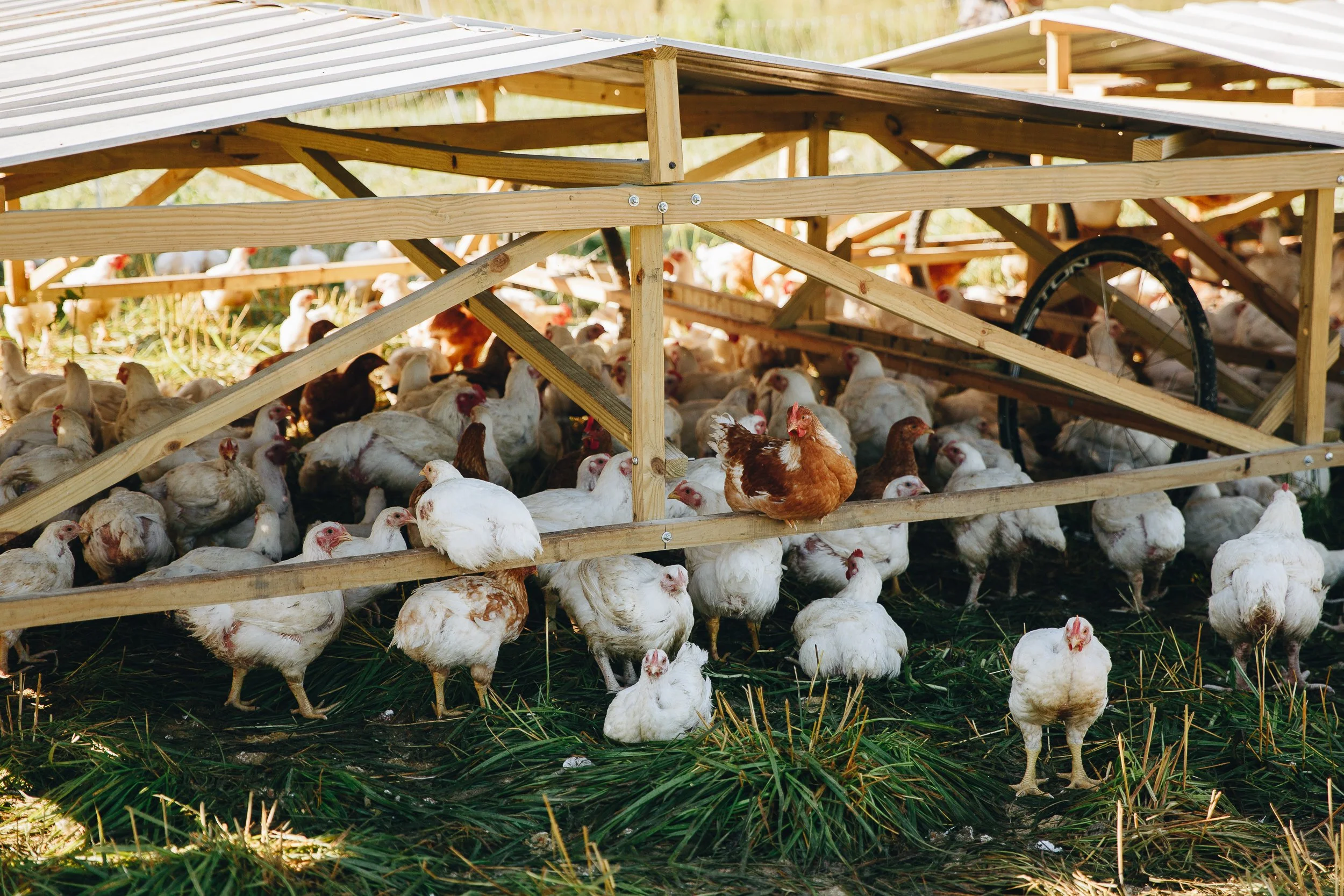
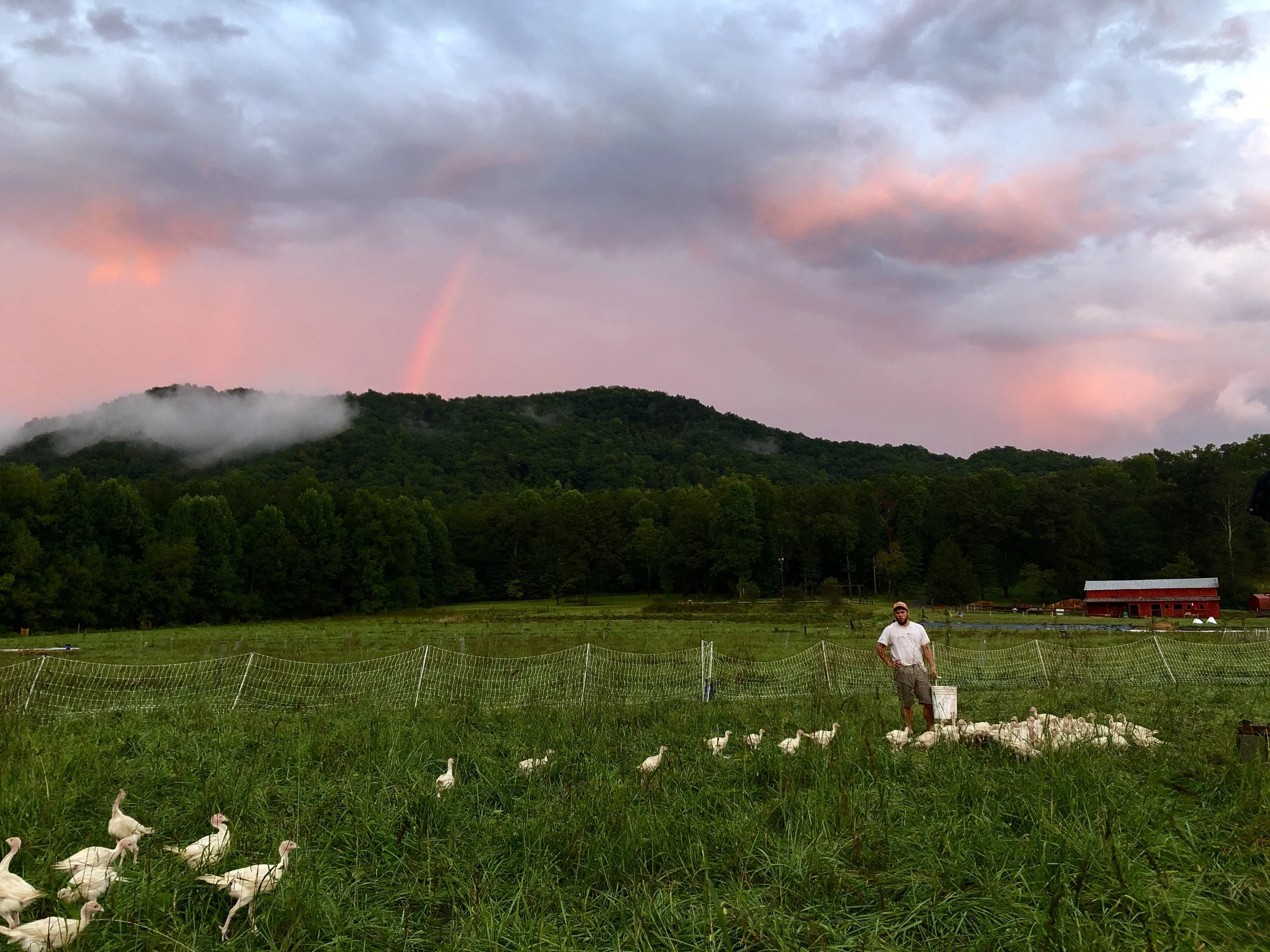
Our own system extends this idea by moving poultry through perennial tree plantings and pasture. The birds receive shade, forage, insects, and a more complex environment, while the trees and pasture capture nutrients returned by the flock. The result is an integrated production system in which poultry production contributes to the fertility and productivity of the land rather than existing separately from it.
Meat and Egg Quality
The quality of a poultry product begins with the conditions under which the bird was raised.
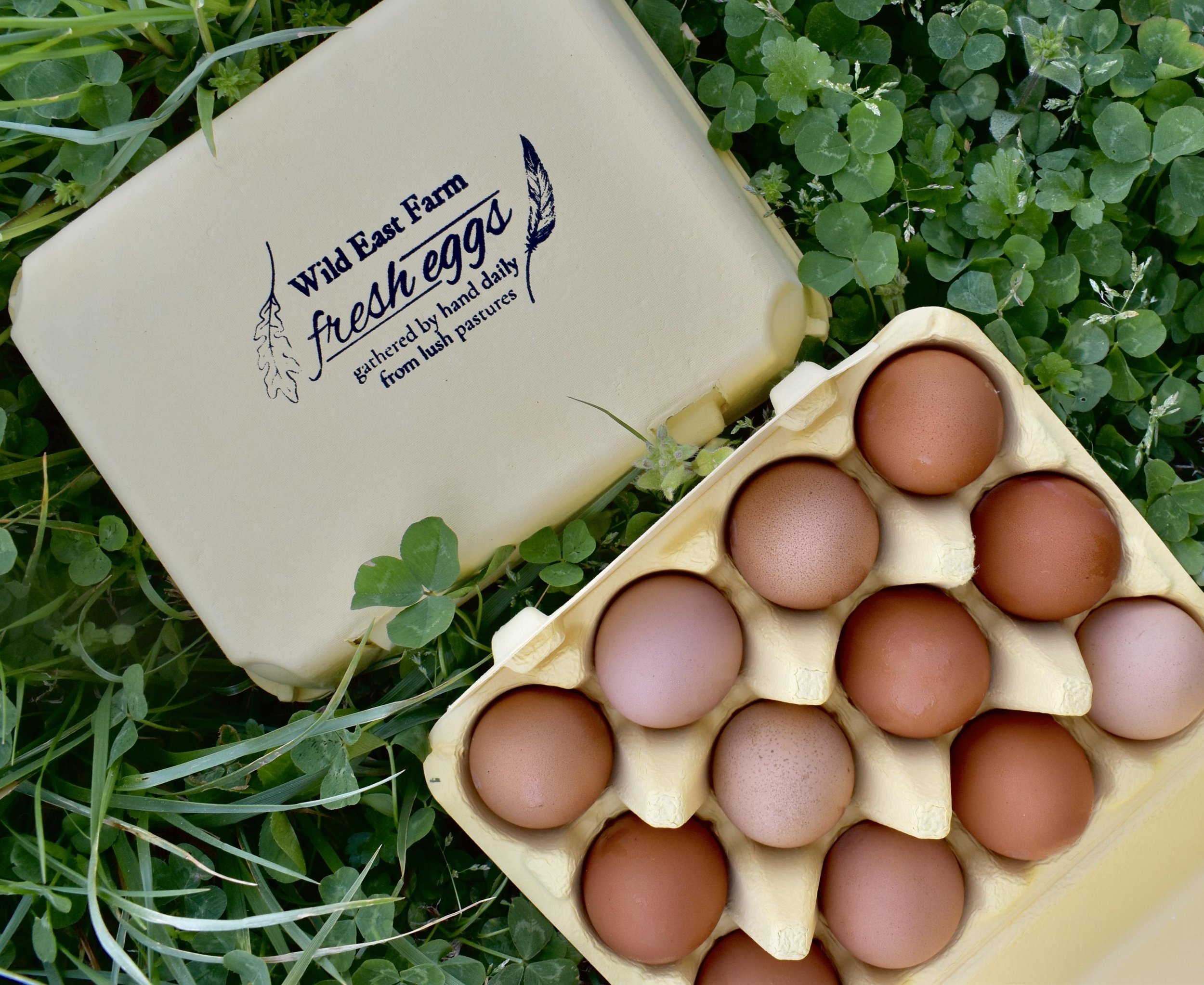
Pasture access can influence the nutritional and sensory characteristics of eggs and meat through increased forage and insect intake, exercise, sunlight exposure, and differences in diet and growth. This incurs improvements in fatty-acid profiles, carotenoids, antioxidants, and other nutritional characteristics in pasture-based eggs and poultry products.
There is no single nutritional profile associated with the word “pastured.” The breed, feed ration, pasture quality, season, actual amount of forage consumed, and management all matter. Likewise, outdoor access can produce differences in meat texture and flavor that are related to increased activity, age, genetics, and growth rate.
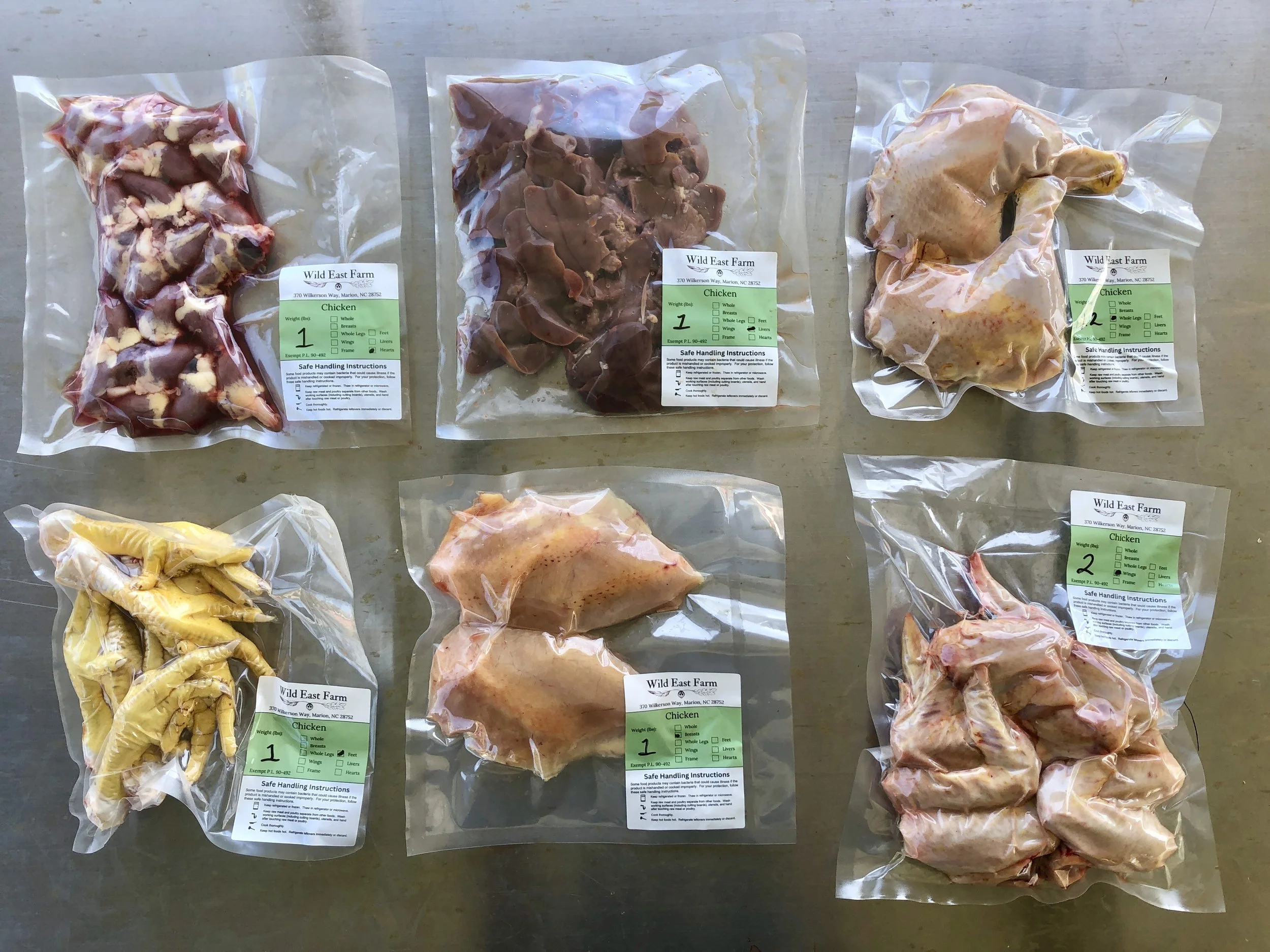
For us, product quality is therefore a consequence of the entire production system: healthy birds, appropriate nutrition, active animals, diverse pasture, and careful management from brooding through harvest.