No-Till Market Gardens
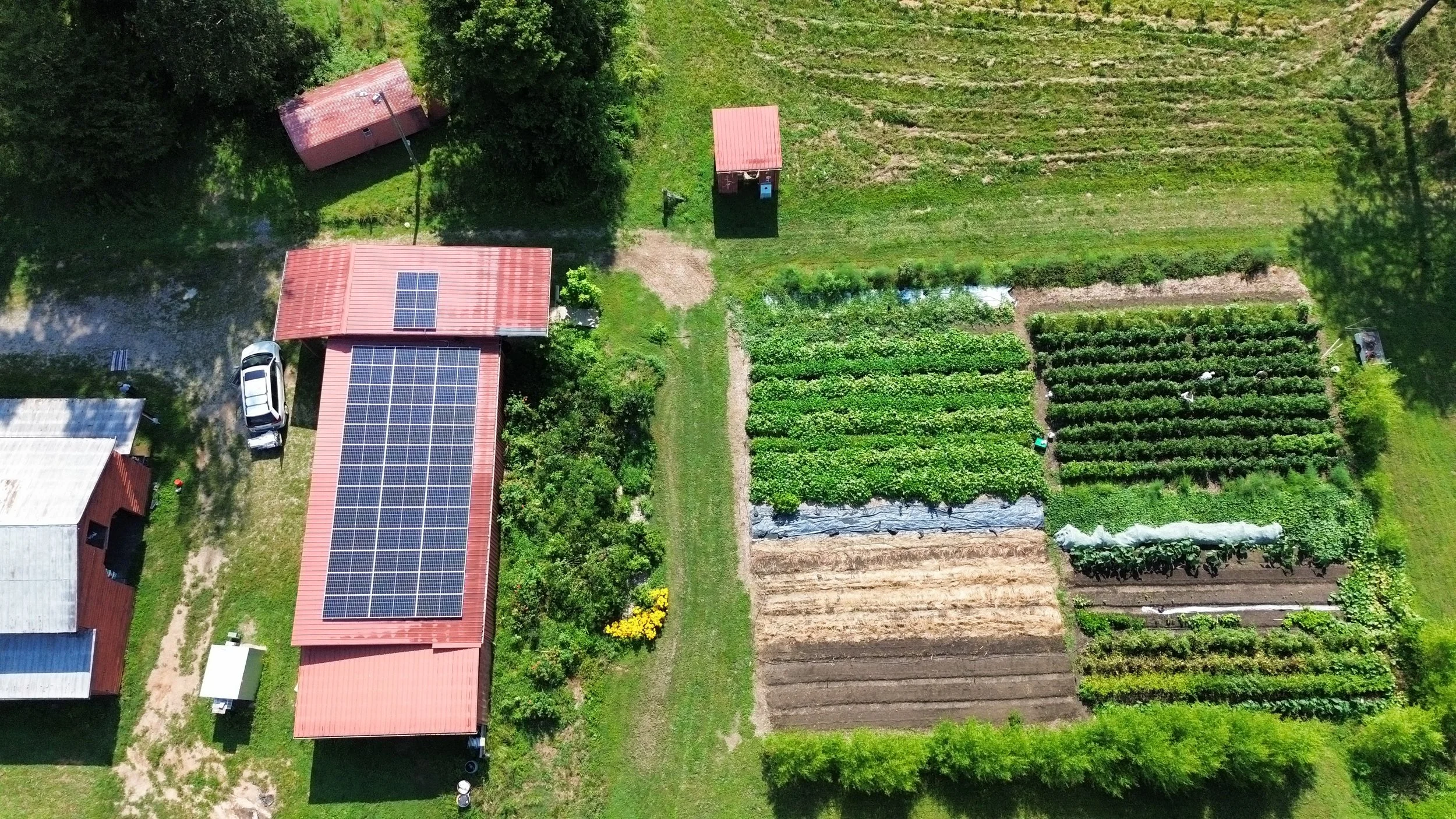
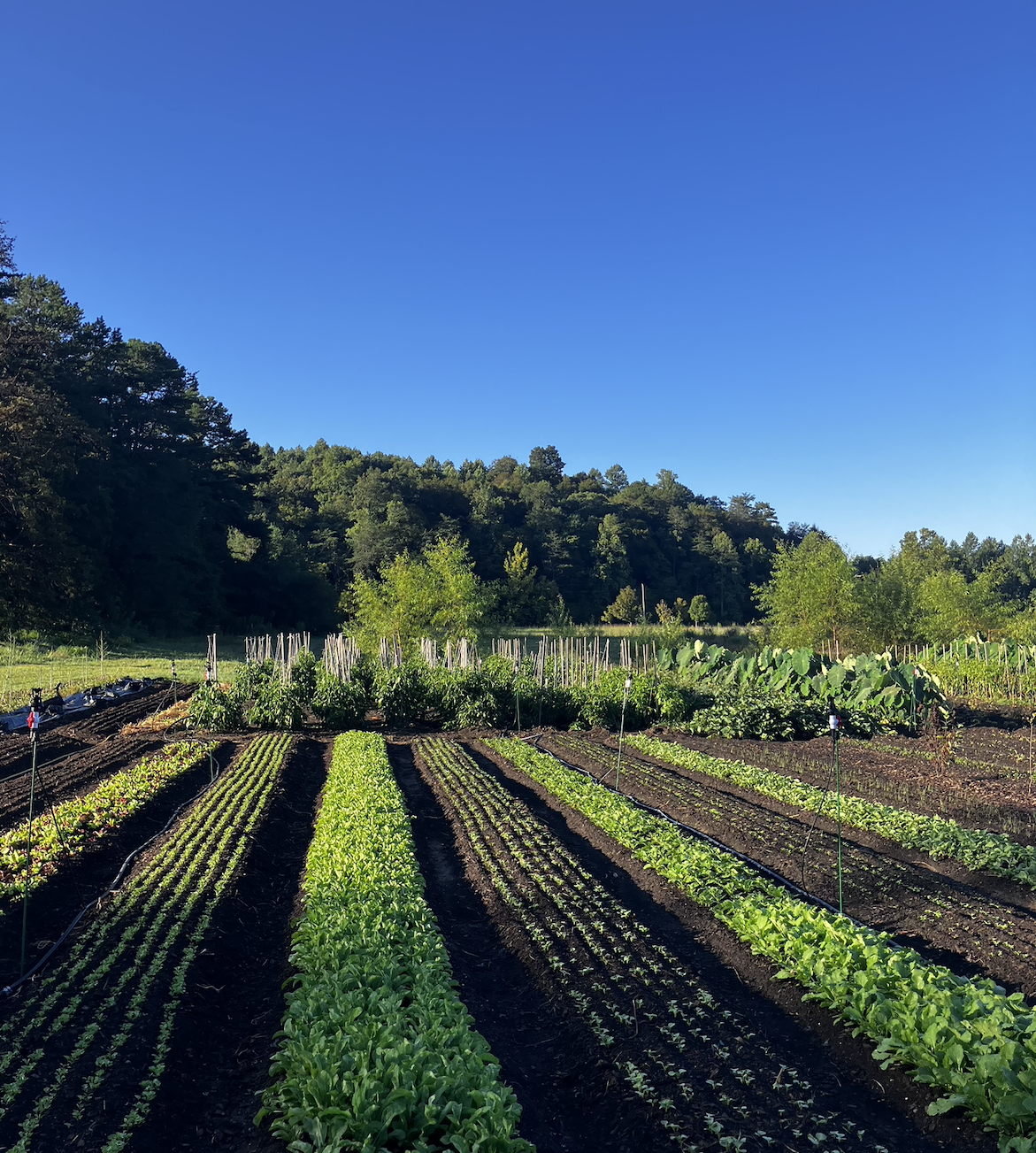
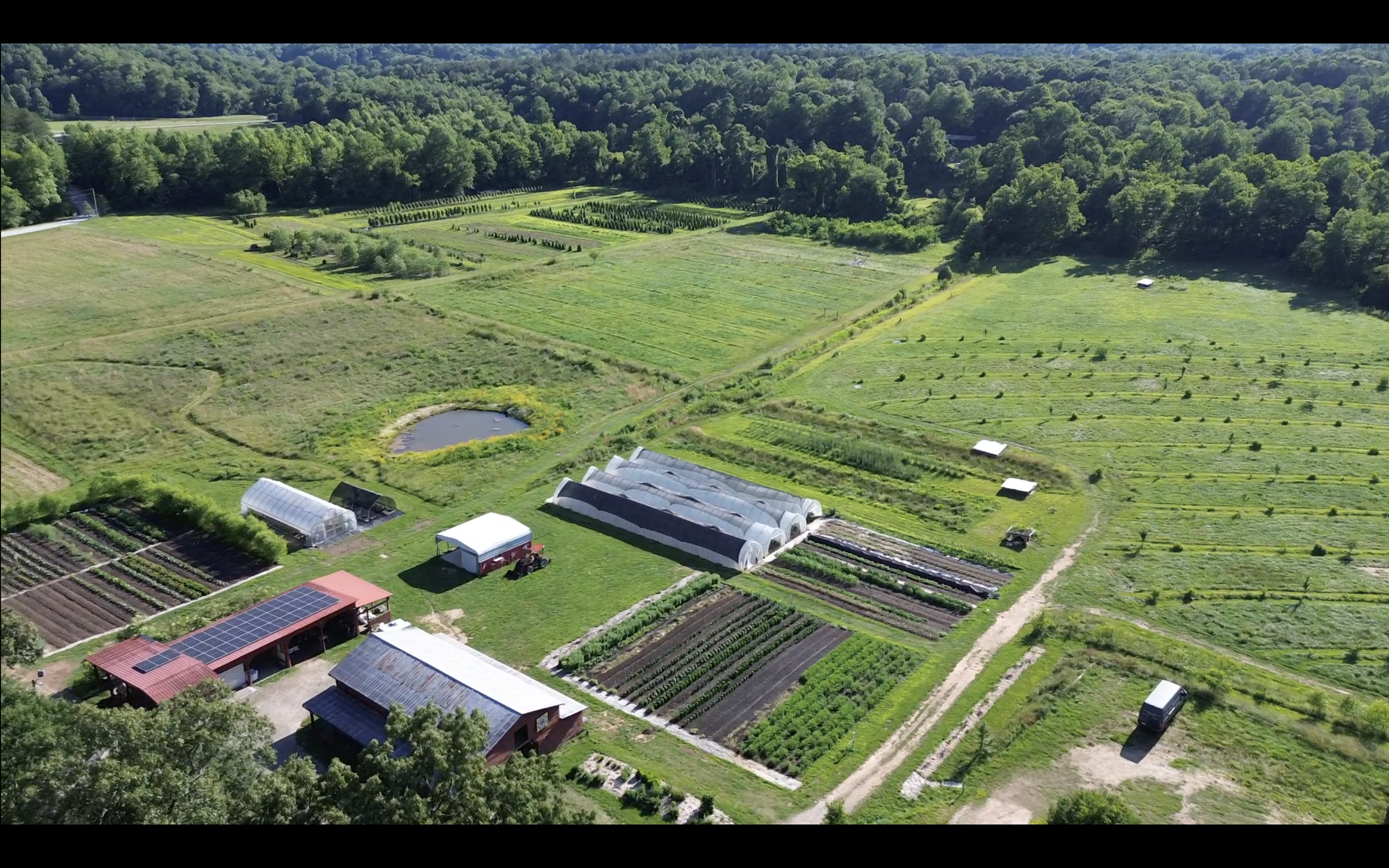
A market garden is an intensive production system built around maintaining highly productive soil and using a relatively small area efficiently. Our system is based on permanent beds, deep compost, no-till management, intensive planting, succession cropping, and protected growing.
Soil Health
The foundation of the system is minimizing disturbance to the soil. Soil is a living ecosystem, with bacteria, fungi, protozoa, nematodes, arthropods, earthworms, and other organisms interacting with plant roots and organic matter. Together, these organisms form a soil food web that drives decomposition, nutrient cycling, aggregation, and other processes that allow soil to function as an ever improving a growing medium.
Tillage physically disrupts this system. It breaks apart soil aggregates, disturbs fungal networks and other soil organisms, exposes organic matter to rapid decomposition, and repeatedly forces the soil to rebuild its structure. No-till allows the biological structure created by roots, fungi, microorganisms, and organic matter to remain in place. Stable soil aggregates improve pore space, infiltration, water storage, and the physical environment available to roots.
Deep Compost
We establish our beds with a deep layer of finished compost, applied directly over the existing ground. This provides an immediately productive growing medium while adding organic matter and creating a protected soil surface. In our original garden, approximately six inches of compost allowed us to move from pasture to planted vegetable beds within weeks.
The compost is part of a larger biological system rather than simply a source of nutrients. Organic matter provides food and habitat for soil organisms, while living crop roots continuously supply carbon compounds to the rhizosphere. Those organisms help decompose organic materials and cycle nutrients into forms plants can use. Maintaining soil cover and living roots while minimizing disturbance helps keep that biological system functioning between crops as well as during production.
The result we are looking for is soil that becomes increasingly functional rather than soil that has to be mechanically rebuilt each season. Our beds require very little cultivation, have extremely low weed pressure, and can be managed entirely with hand tools.
Plant Health and Productivity
Healthy plants depend on more than the nutrients present in a soil test. Root health, water availability, soil structure, microbial activity, and nutrient cycling all influence how effectively plants can grow. A functioning soil food web creates an active zone around plant roots where microorganisms and roots exchange carbon, nutrients, and other compounds.
Better structure allows roots to explore more of the soil profile and improves water movement. Biological nutrient cycling makes nutrients available over time. Organic matter helps retain water and nutrients. Cover and residue protect the soil surface from erosion, temperature extremes, and moisture loss. Together, these functions create conditions in which plants can maintain strong growth without relying on repeated mechanical disturbance.
Intensive Production
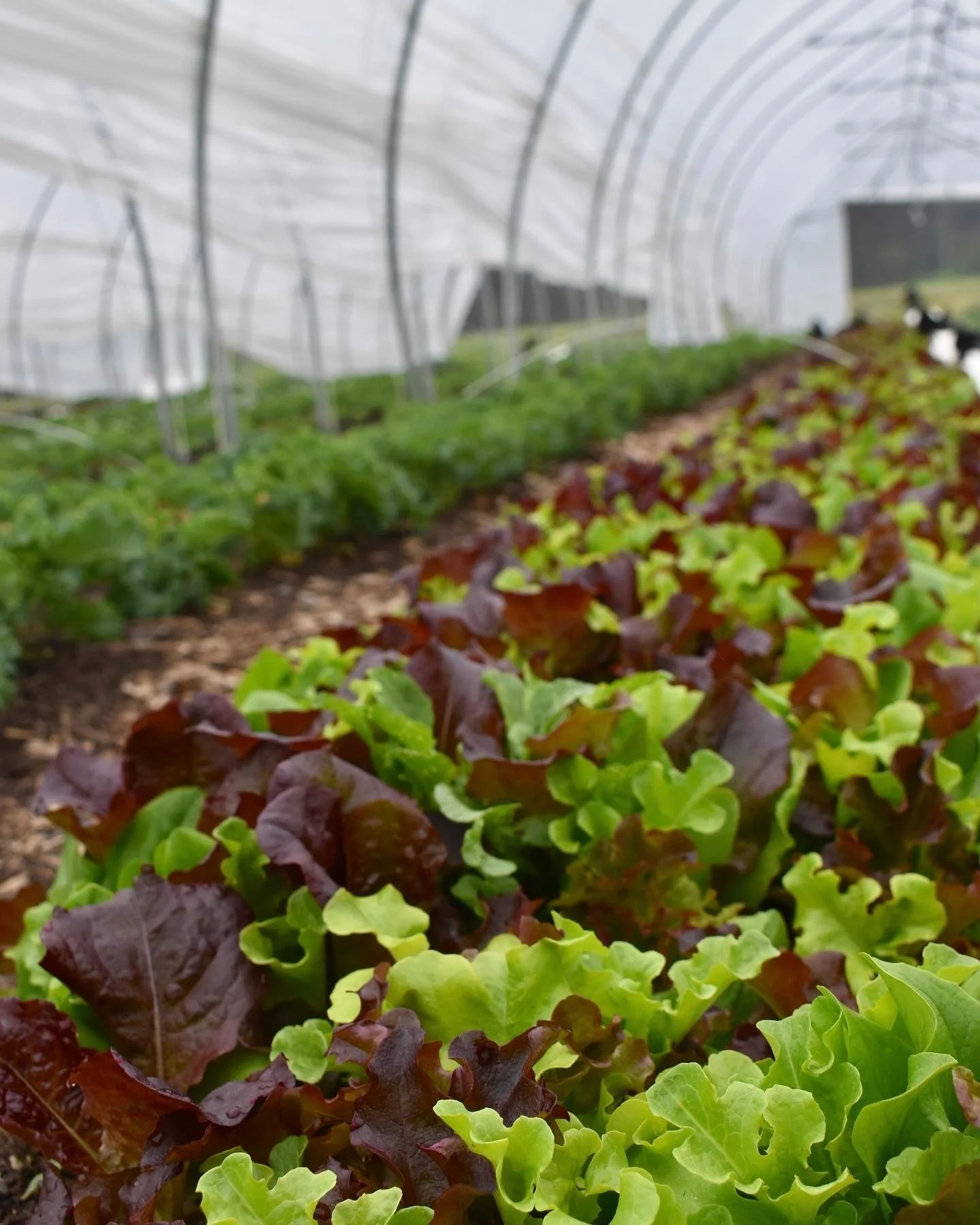
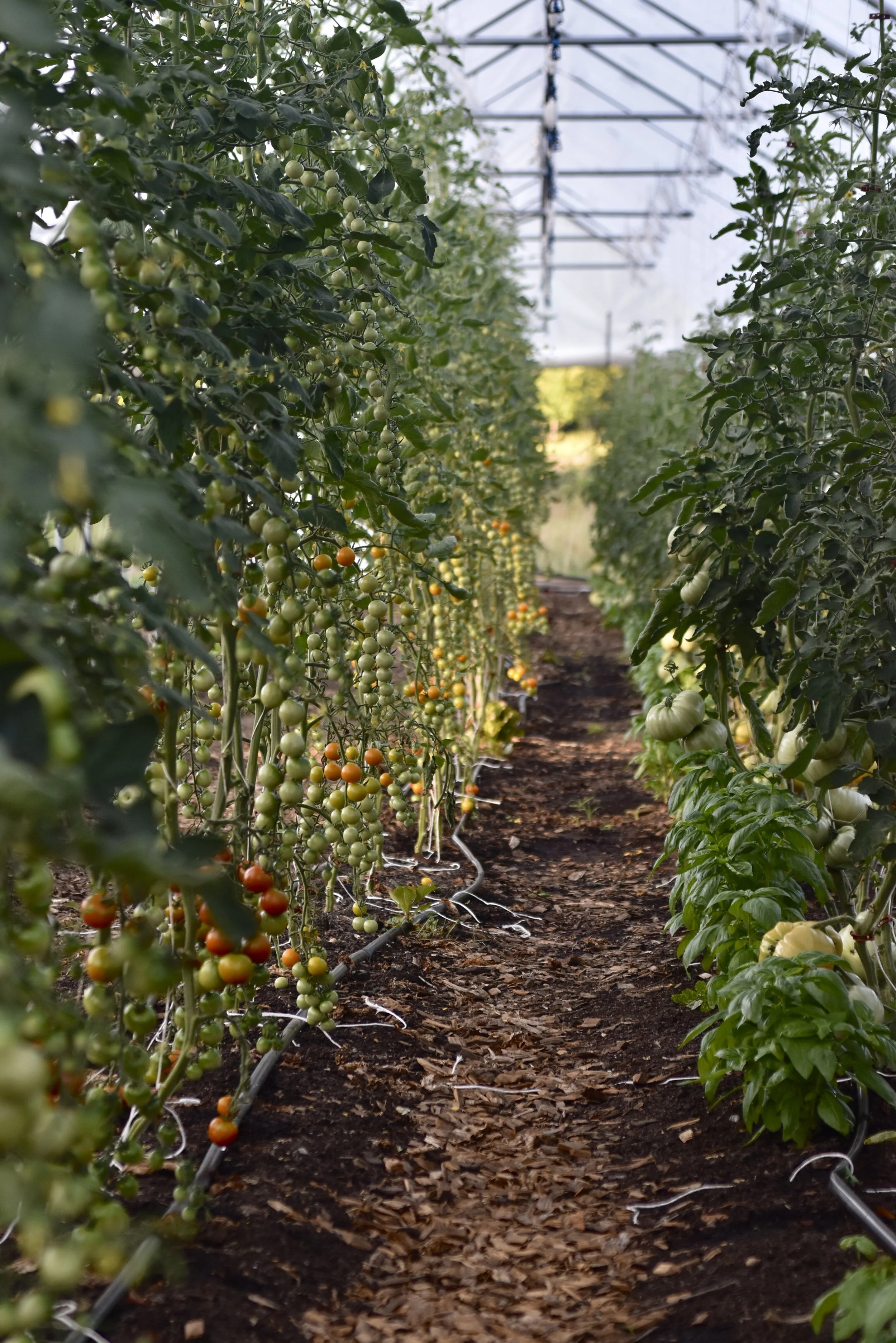
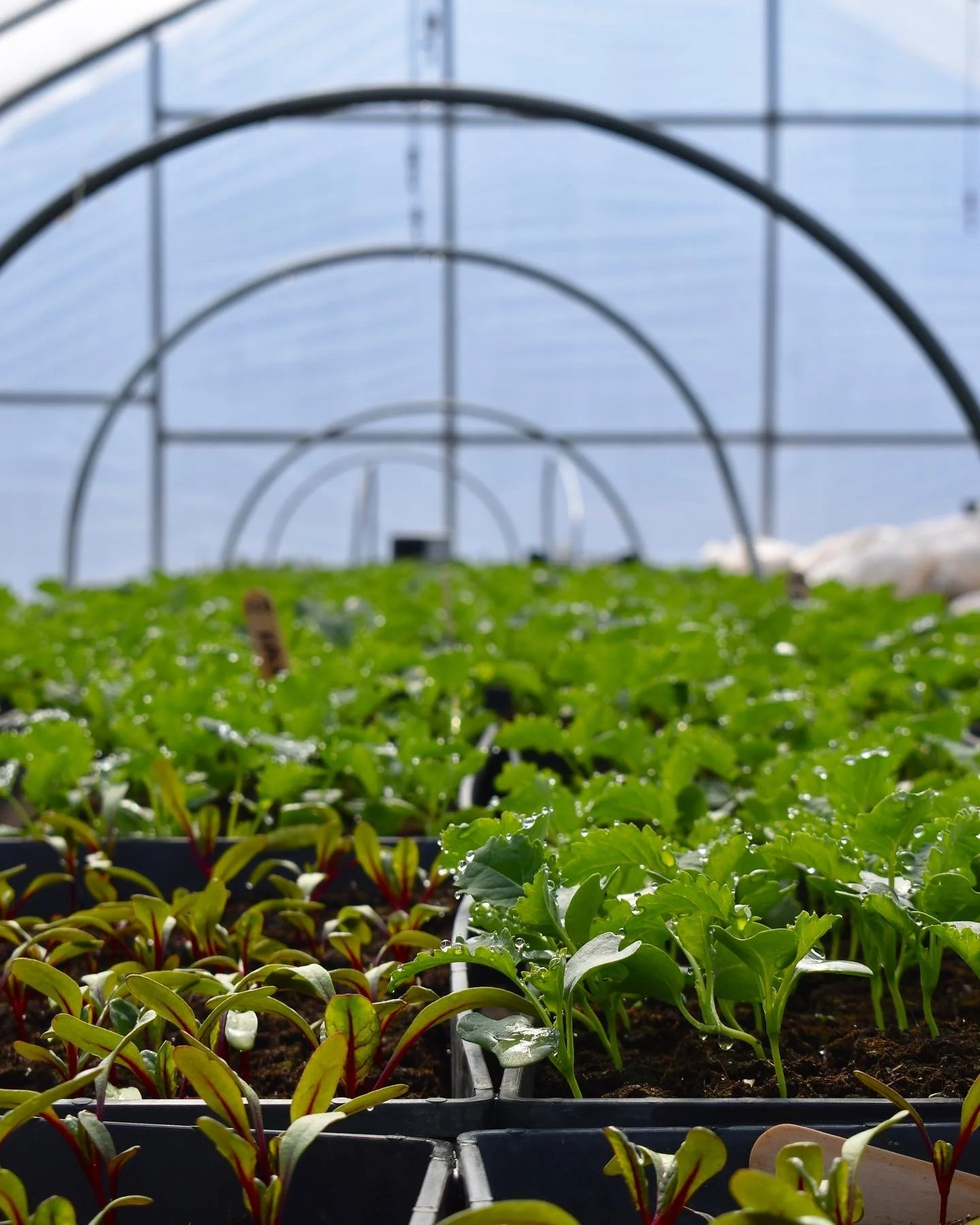
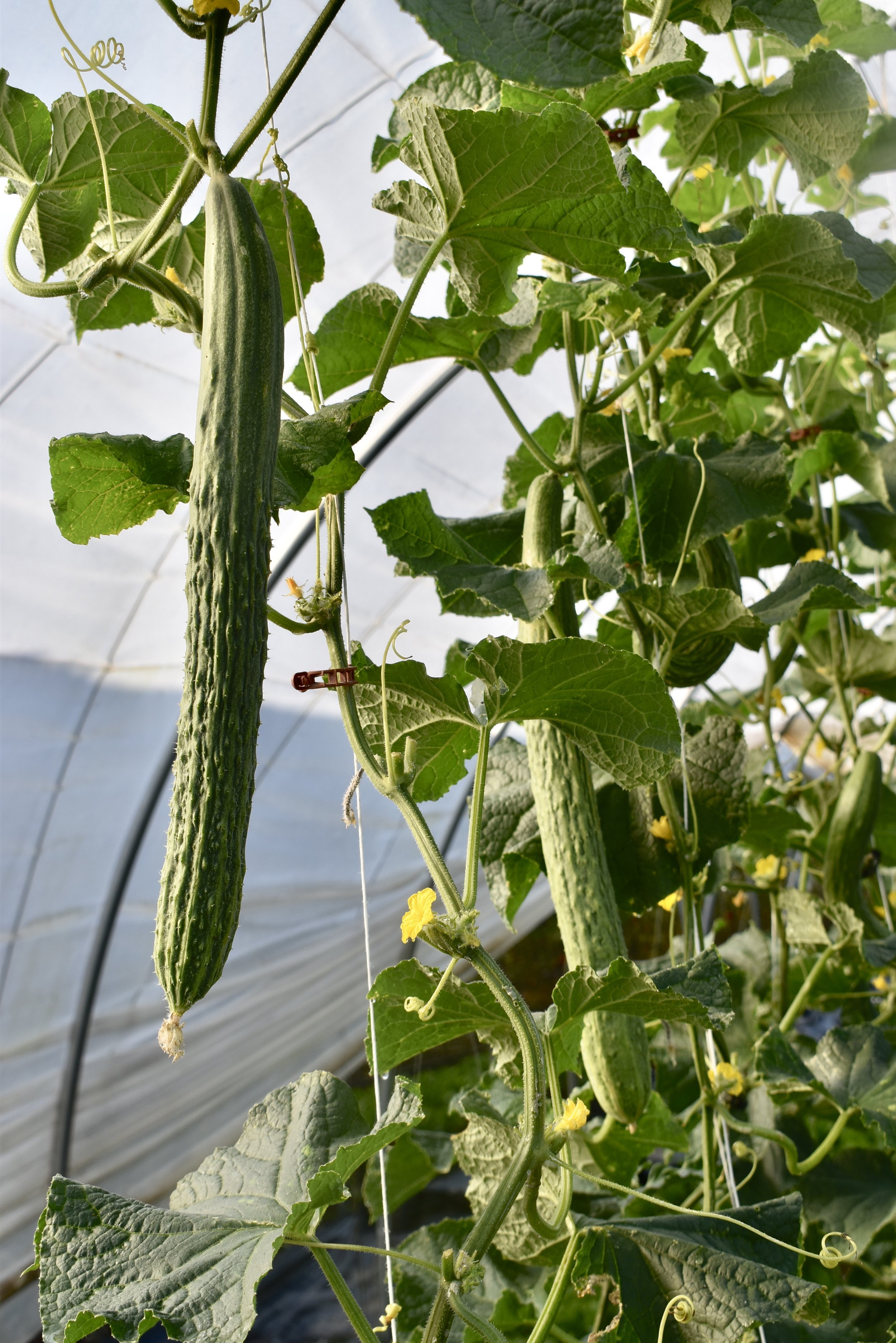
Once the soil system is established, productivity comes from making effective use of the growing space. Crop selection, succession planting, protected growing, and labor efficiency all become important. We favor crops that produce well within a limited footprint and can move through the beds quickly, while tunnels extend the productive season and allow the same space to support multiple crops throughout the year.
The objective is not simply to produce more vegetables. It is to develop soil that supports healthy plants, use the available land efficiently, and continually improve production without increasing the amount of land or disturbance required to do it.